
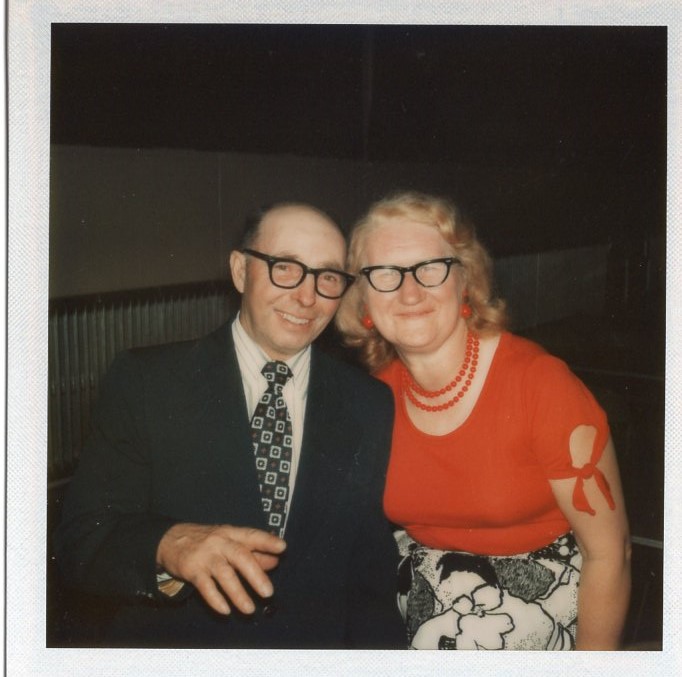
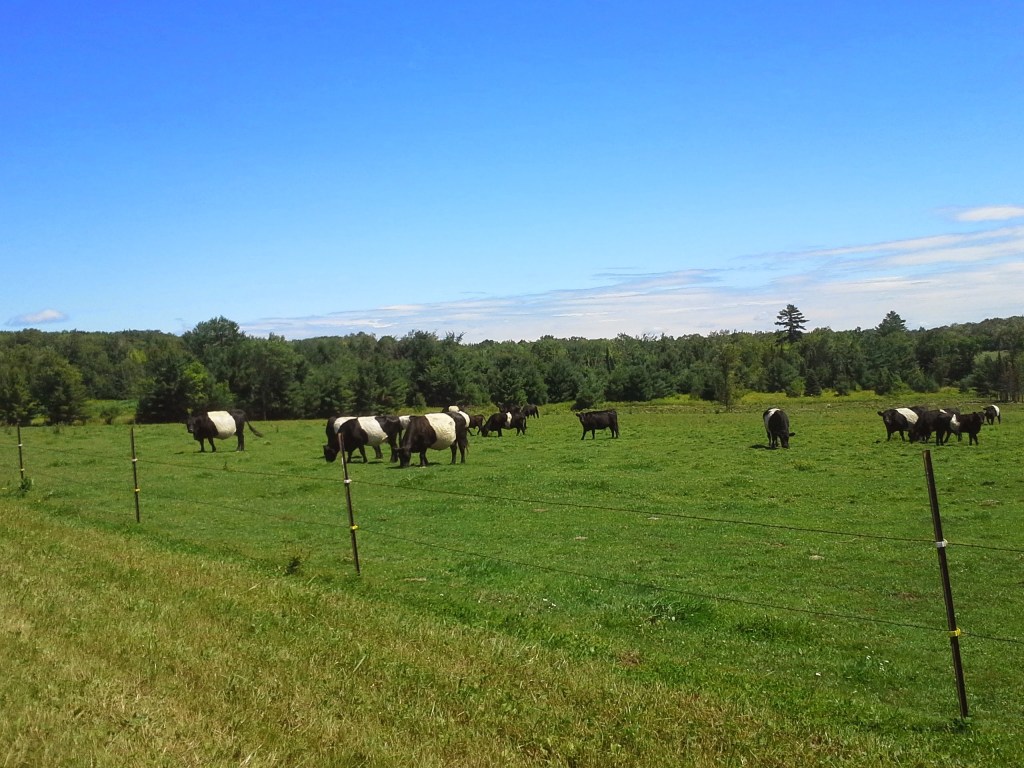
During this time of social distancing for everyone, I’ve had a little more time on my hands to just sit and think. One thing that I’ve been reminiscing about is all the time I spent playing on my Grandparent’s farm when I was growing up. Since my grandparents were practically dairy farmers their whole lives, the farm was a huge part of their life. Although their farming operation ceased a few years after I was born, their property remained almost like a time capsule with all kinds of old tractors, machinery, tools, and sheds scattered about. My grandfather wore blue-jean overalls every day just like many of the old farmers did, and he never failed to have butterscotch candies in his pockets. I can recall as a four-year-old being mesmerized by his ability to carve spinning tops out of wood for me to play with. My grandma was a very smart lady and an amazing cook. I can’t even imagine all of the work she put into making dinner every night from scratch for so many years. I also like to imagine the fun my grandparents must have had when they married in the 1940s. My grandfather had a band at the time, so my grandma joined after they got married. They both played the accordion, among other instruments.
What I’m describing is all a small part of my cultural heritage. Since you probably have more time on your hands now, this may be a perfect time to delve into your cultural heritage a little bit too. It can certainly raise your spirits and help you to feel more grounded during uncertain times like these. You may still be wondering though, “What exactly is cultural heritage, or why does it matter?”
What is cultural heritage?
Cultural heritage consists of physical objects, traditions, and values that have been passed down through history. Physical items might include paintings, drawings, or historical monuments. Intangible elements are a large part of cultural heritage as well. Think of things like oral history, traditions, values, performing arts, or dance. Your cultural heritage may also include skills that have been passed on such as my grandpa’s woodworking skills. This subject may sound like just a subset of history, but cultural heritage is so much more than that. It represents a culture that was worth passing on. As generations come and go, some aspects of culture inevitably die, but those elements that remain are here for a reason. After a lifetime of experience and wisdom, your ancestors chose certain things that they believed were worth preserving. Thus, they were passed down to future generations. For me, my grandparents shared their very tough but rewarding work ethic, their faith, their love for their neighbors, many stories, recipes, music, and more. These are just a few pieces of my cultural heritage I feel very lucky to have had passed on to me.
How learning about your cultural heritage benefits you & how to explore it further
Culture heritage is something you share with a group of people. Realizing what it means can expand your world a little because you develop a sense of belonging with others in your community. What’s even more wonderful is that when you learn to appreciate and understand where your own cultural background comes from, you start to grow a deeper respect for other’s cultural backgrounds too.
If you’d like to learn more about your own cultural heritage, here are some ways to get started:
- Chat with an older family member- What better time than now to call up a grandparent or older relative! Ask them about the popular music, traditions, clothing, or lifestyle from when they were young.
- Research- A simple google search will do for now, but when restrictions lift consider checking out a local library. You’re likely to find cultural books written about the area where you live.
- Cook a traditional meal- Find a recipe online or ask a family member how to make a traditional dish like a homemade fish fry.
- Visit historical sites in your area– There may be some historical landmarks that you could check out even while social distancing. It’s not uncommon for cities or counties to have historical societies. Check out their websites to find out what’s available in your area.
As you can see, discovering your cultural background can be fun and easy. You may even strengthen relationships with some of your family members in the process. I know it has for me.
What are some neat things about your cultural heritage? I’d love to find out in the comments below, and as always, thank you for reading. ʕ•́ᴥ•̀ʔっ
Sources:
https://www.babbel.com/en/magazine/connect-cultural-heritage
 Adri's Wellness Wisdom
My great grandparent was a professional tango dancer(Argentinian traditional dance) in the 60s and won many competitions during his lifetime and helped to bring the culture to brazil and other parts of south America now I have some hope to improve my moving skills xD excelent post!!
LikeLike