

Last month I had the privilege of studying abroad in beautiful Costa Rica. When I pictured Costa Rica in my mind before going, I always imagined it being a very eco-friendly place. That was one of the major topics I always ran across when reading up about the country online. The country is among a small group of nations including Germany, Iceland, and Switzerland that uses mainly renewable energy sources. In fact, the country garners around 99.2% of its electricity from hydro, geothermal, and wind power. In addition to being a world leader in green energy, over 25 percent of the forests there are protected, and the country boasts the second largest marine protected area in the world. Suffice it say, I knew that the landscape in Costa Rica was going to look quite a bit different than what I was used to. What I didn’t realize is that the attitudes around nature and the environment go far beyond government policy. People there really seem to cherish the earth and all it provides them.
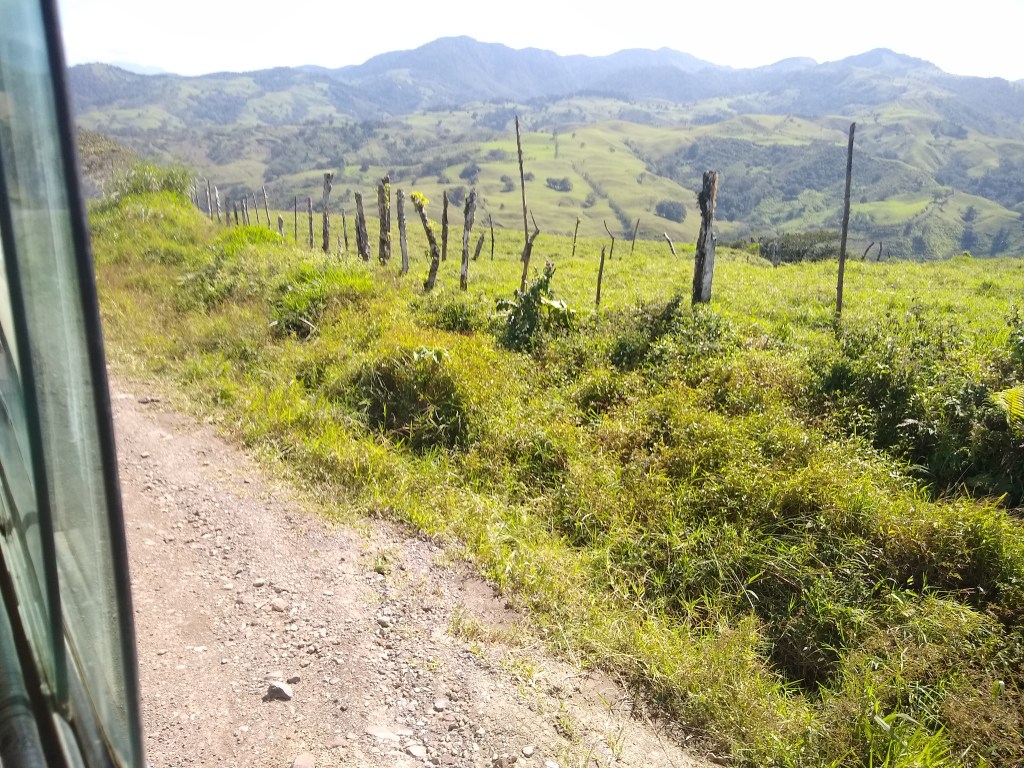
One cultural element that really showed me how they understood and appreciated nature was their knowledge of plants. From treating a small scrape to fighting cancer, the indigenous Bribri people knew which plants, flowers, and trees to use as a remedy. I recognized the names of many of the plants because they also happen to be commonly used additives in food and personal care items. Some examples of things I saw included citronella, stevia, anise, and cocoa trees. It wasn’t just the Bribri who were savvy about uses for plants though. It seemed like everyone there knew about plants and flowers that could be picked and eaten from the side of the road or used for some other purpose. I adored (with some jealousy) how children at an elementary school we visited on the Caribbean side of the country could pick a fresh mango or star fruit to eat from their school yard. It’s not very often that I get to eat produce grown locally, let alone that I picked myself.
In addition to the locals being so close with nature, I could tell people really cared about the environment by all the small efforts they were taking to protect it. There were disposable plastic containers repurposed into flower pots or decorations outside people’s homes, composting bins in hotels, small-scale organic farms, solar traffic lights, and quite possibly my favorite discovery, a man saving endangered frogs out of sheer goodwill. That last one definitely warmed my heart! Seeing all of this only reinforced a concept I was already familiar with; nature is essential to our well-being. It provides us with beauty, inspiration, clean air, food, and so much more. I love how in Costa Rica the people don’t just promote protecting the environment, but they truly practice it. They know how precious the nature around them is. That, I believe, is the driving force behind why the country has such a collective effort to protect the wildlife and nature.
Would you like to learn more about how you can connect with nature and help protect the environment? Check out the resources below. Thanks for reading! ʕ•́ᴥ•̀ʔっ
Learn More:
https://wwf.panda.org/get_involved/live_green/
https://oceanservice.noaa.gov/ocean/earthday.html
Sources:
 Adri's Wellness Wisdom